
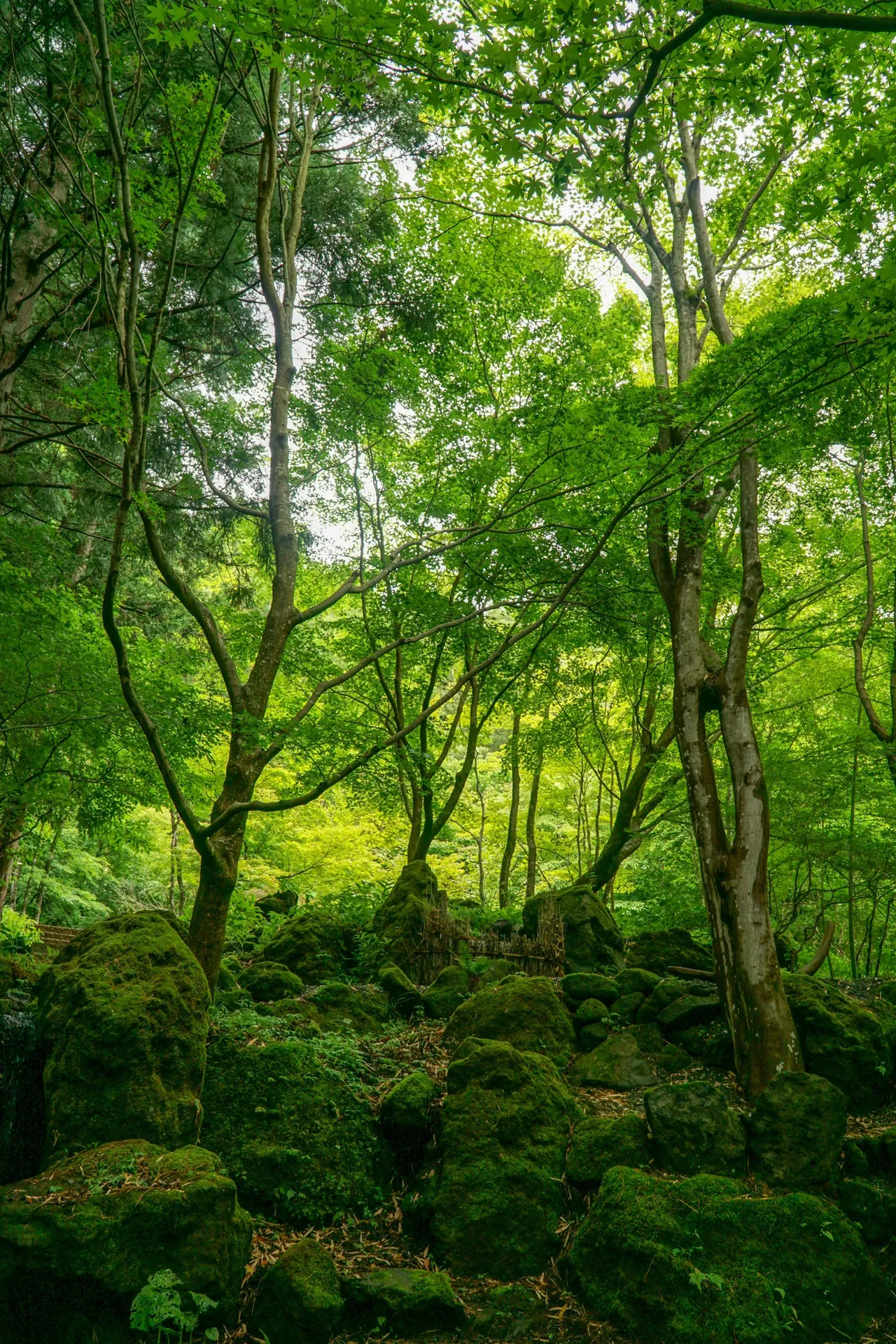
Our carbon projects
Help put the climate on a viable path by strengthening France's forest carbon sinks.
- 12%of France's greenhouse gas emissions (CO₂e) are absorbed by its forests
- 77%of French forests are in a poor state of conservation
Our projects
Our projects maximise carbon sequestration in our forests, and our credits are certified under the Label Bas-Carbone.
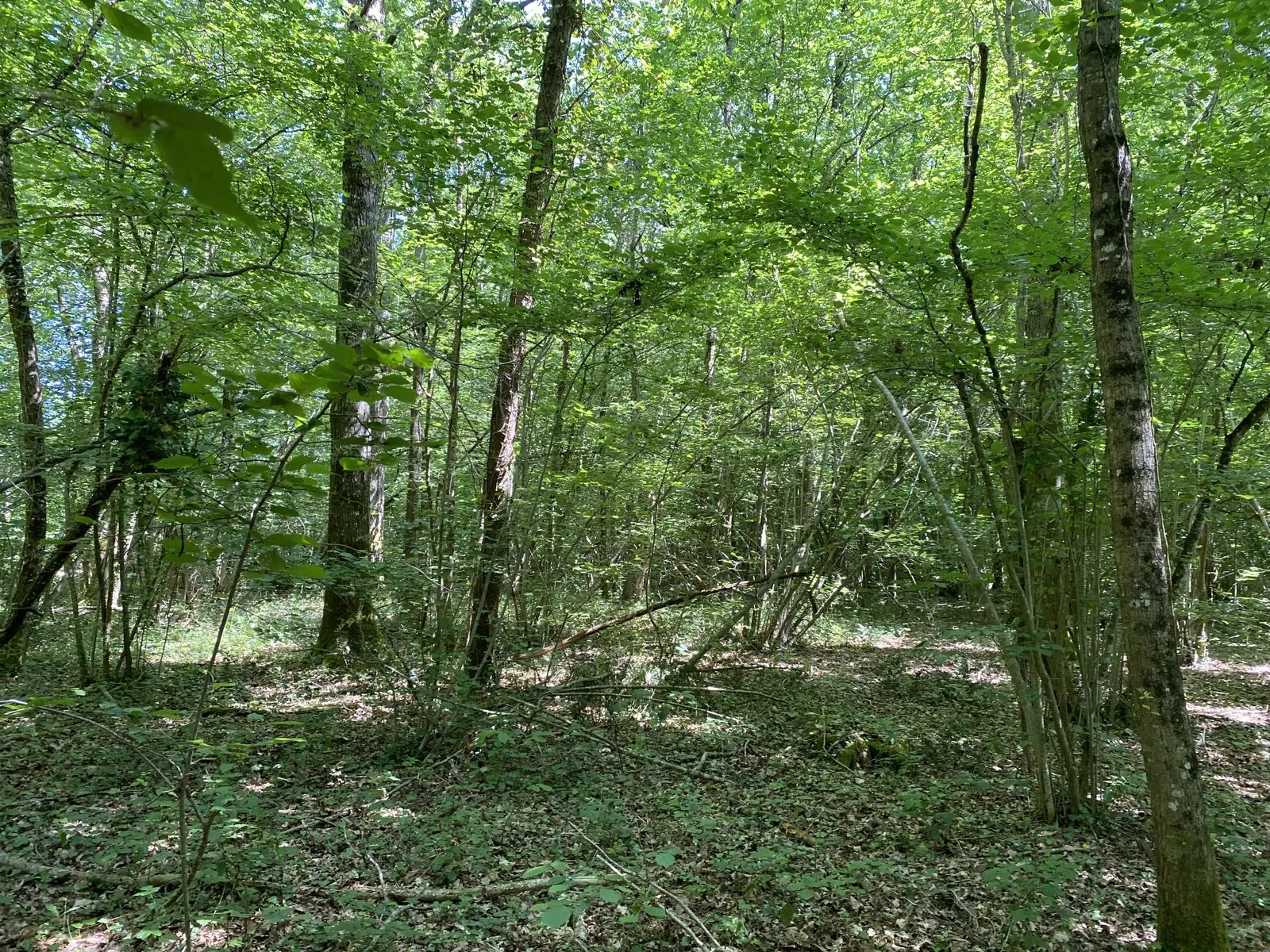
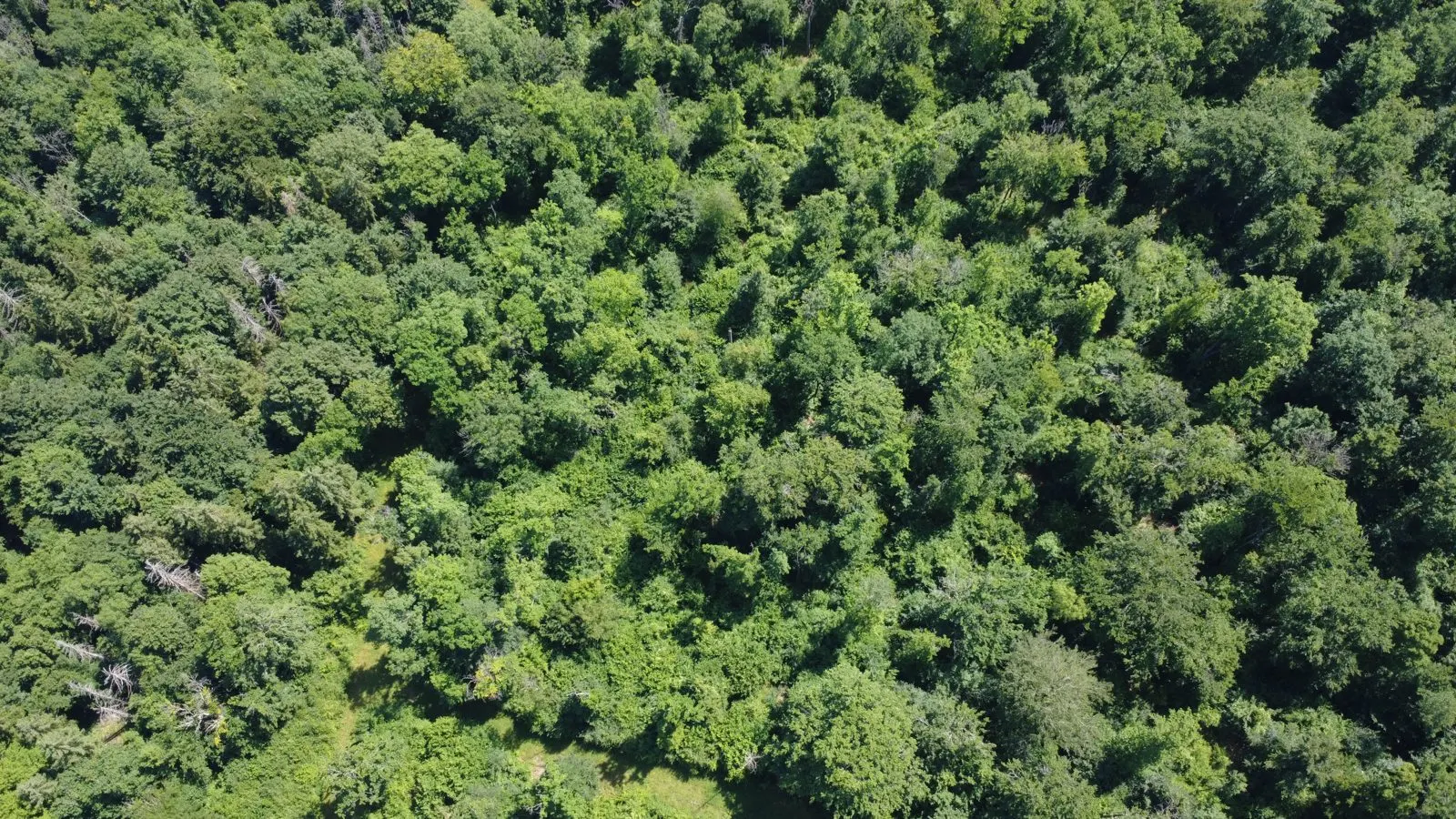
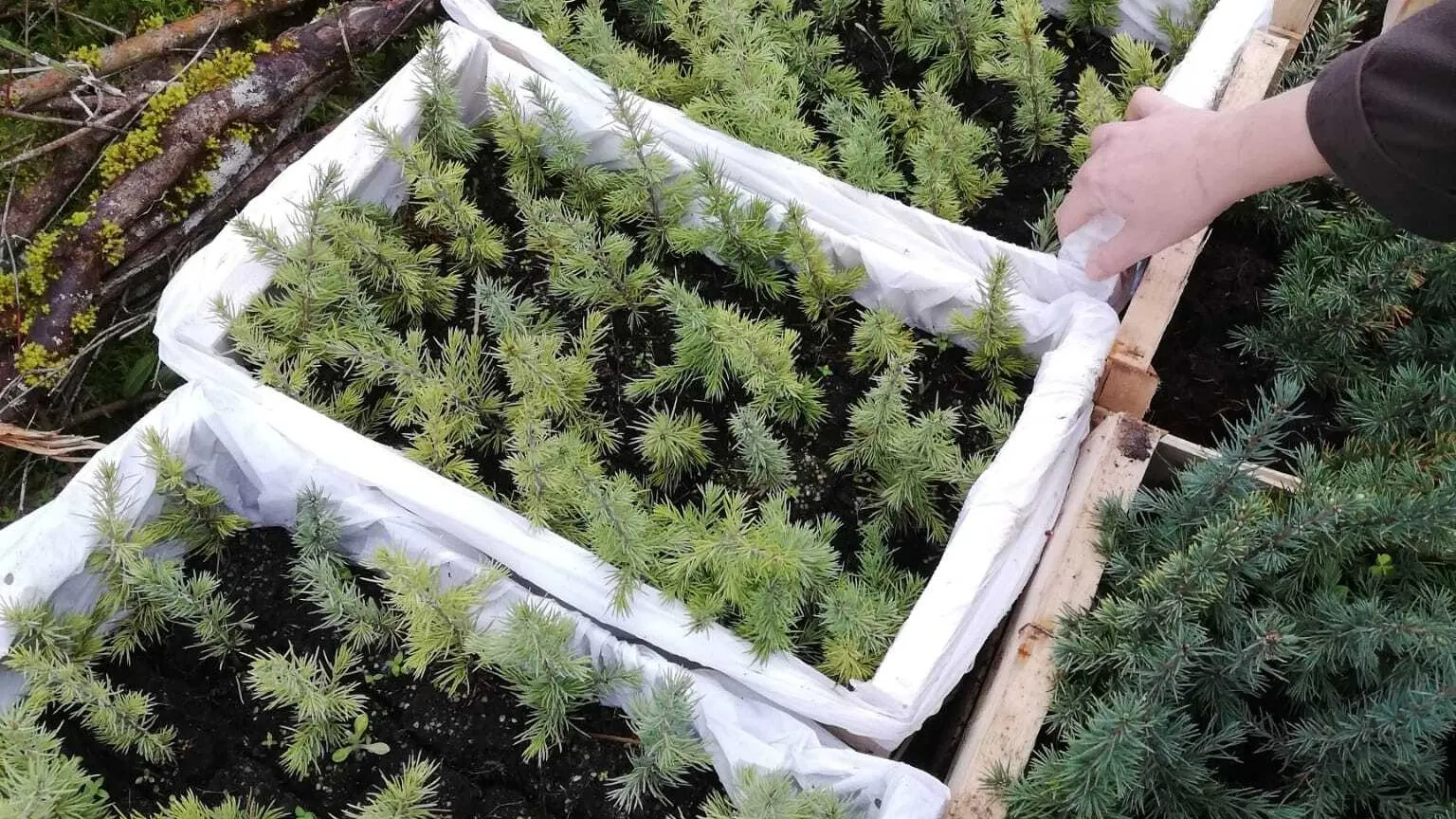
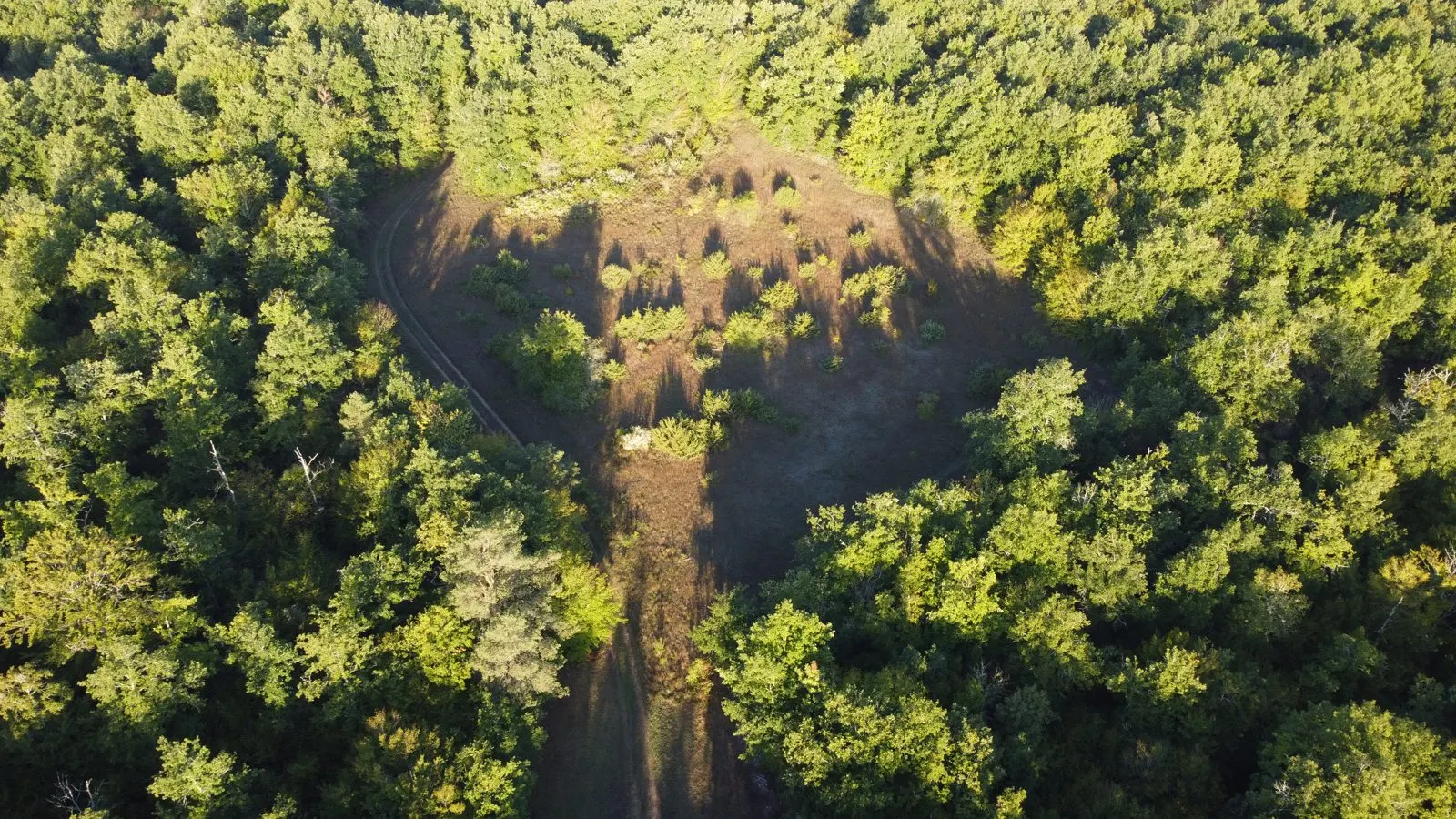
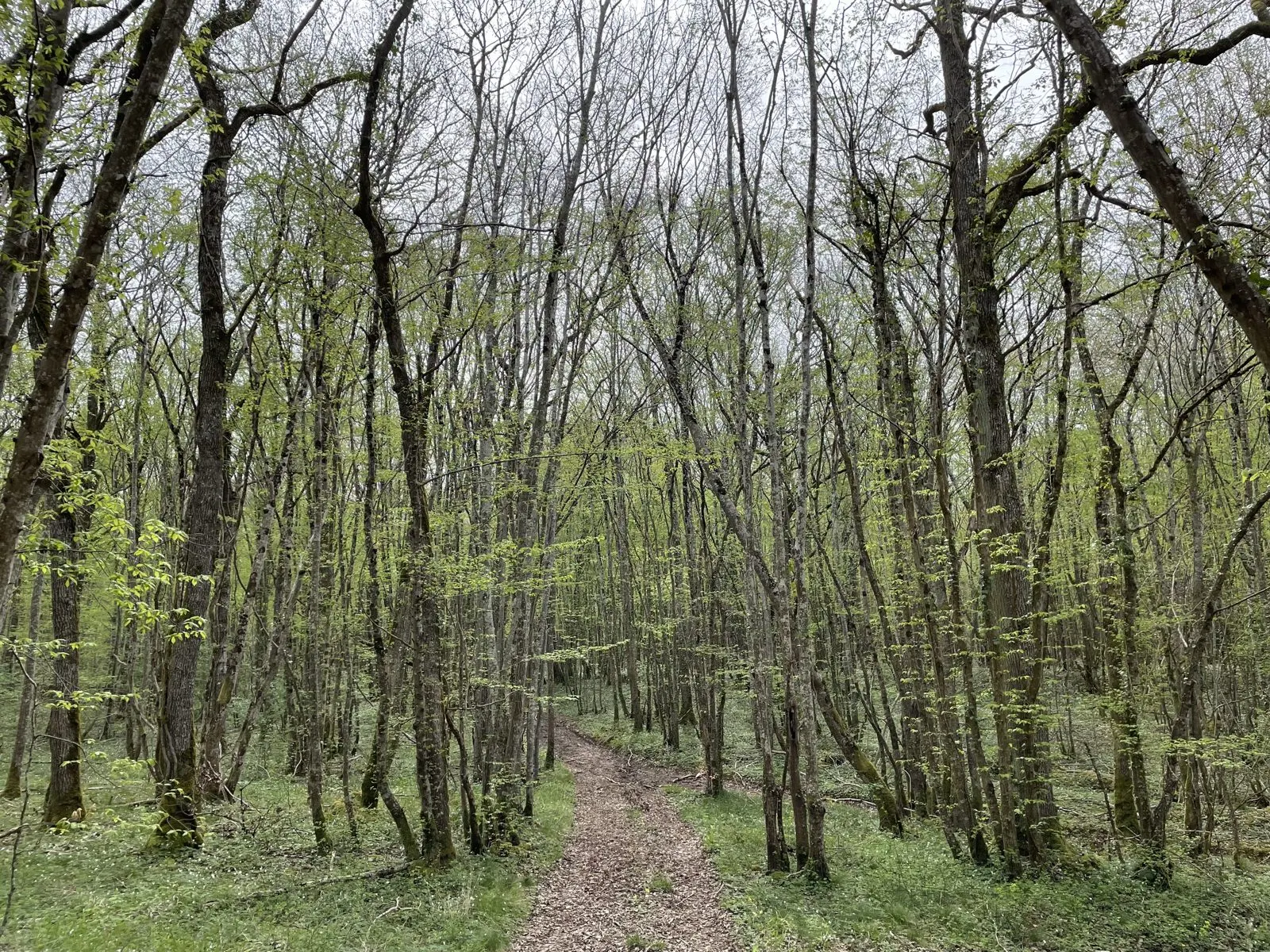
Discover our other projects
Our commitments
Working with natural processes
Building on the natural regeneration of our forests, we practise low-impact, close-to-nature forestry.
Protecting biodiversity
By maintaining continuous forest cover and avoiding clear-felling, we preserve woodland habitats for biodiversity.
Working with local businesses
For our forestry operations, we work with contractors based within 100 km of our forests.
Optimising carbon sequestration
By promoting tree growth, we optimise carbon sequestration in French forests.
No chemical treatments
We said “close to nature”, and we mean it: no pesticides or other chemicals, and respect for forest ecosystems.
No monocultures
We favour a diverse mix of tree species in our planting to make our forests more resilient.
Tackling imported deforestation
By supplying the timber industry with sustainably managed French wood, we help tackle imported deforestation.
No clear-felling
In contrast to an “industrial” approach to forestry, we avoid clear-felling by maintaining continuous forest cover.
Book a meeting
Book a meeting with Margaux to discuss our forest ecosystem conservation projects and ask any questions you may have!
The booking calendar is provided by Google, which may set cookies on your device. It only loads if you ask for it.
FAQ
How do forests capture carbon?
CO₂ absorption: trees take in carbon dioxide (CO₂) from the air through the stomata on their leaves. This CO₂ is then carried to the tree's photosynthetic cells.
Photosynthesis: in these cells, solar energy is used to turn CO₂ and water into glucose and oxygen. The oxygen is released into the atmosphere, while the glucose feeds the tree.
Carbon storage in biomass: part of the captured carbon is used for the tree's growth and is stored in its trunk, branches, roots and leaves. This carbon stays stored as long as the tree is alive, and even afterwards, in deadwood and forest soils.
Where is the carbon stored?
Above-ground biomass (branches, leaves, shrubs…)
Below-ground biomass (living roots)
Deadwood (standing stumps, buried dead roots, dead branches…)
Litter (small-diameter non-living biomass, decaying wood…)
Soil organic carbon (all soil components derived from plants and animals)
And finally, harvested wood